


Is it True that Robot Rental Services is Simplifying Automation in 2025?
- Jul 7, 2025
- 3 min read
As the footprint of automation grows day by day, robot rentals offer a practical and economically wise alternative to outright purchases. Whether a university seeks to integrate robotics into its academic curricula or a company requires short-term automation to streamline operations, rental services for robots provide access to upgraded technology without the hassle of ownership.

Recently, the master distributor of Unitree Robotics in North America, Toborlife AI, has introduced rental services for companies and academic institutions to integrate robotics into various work environments. This shift in the paradigm not only highlights convenience in every aspect but also marks a new phase of accessibility and scalable automation.
Major Benefits of Renting a Unitree Robot
There are so many reasons why most organizations nowadays choose to rent a robot rather than buy one. First and foremost, renting reduces upfront costs. Instead of investing thousands of dollars into robotic hardware, renters can pay only for the time and services they need. This model works particularly well for short-term projects, training sessions, or temporary demonstrations.
Whether the need is for barrier navigation, tracking objects, or remote surveillance, there are robotic solutions that suffice the needs of different sectors. Fortunately, you also have the benefit of customization, as renters can access robots with specific capabilities, including advanced sensors, servo arms, and AI computing units.
With Toborlife AI by your side, installation, maintenance, and basic training are often included, allowing you to focus on using the robot rather than hustling about its setup and maintenance. This all-in-one service package is a real boon to companies looking to hire robots for events, such as expos or promotional campaigns.
Considerations to be Taken Into Account When Renting a Robot
While robot rentals offer many advantages, there are some practical aspects that users should be aware of. Availability can differ depending on the robot model and region.
Also, pricing varies based on the type of robot and rental duration. Customers are advised to confirm total costs in advance to align with project budgets. Toborlife AI's transparent pricing helps clients avoid confusion during the rental period.
What to Consider Before Renting for Different Sectors?
When deciding to rent a robot, it's important to match the technology with the sector-specific needs. In the educational sector, programmable robots like Unitree's Go2 Edu series provide practical learning approaches in coding, AI, and robotics. Ideal for STEM programs, workshops, and research projects, these robots provide students with access to real-world technology in a diverse range of classroom settings.
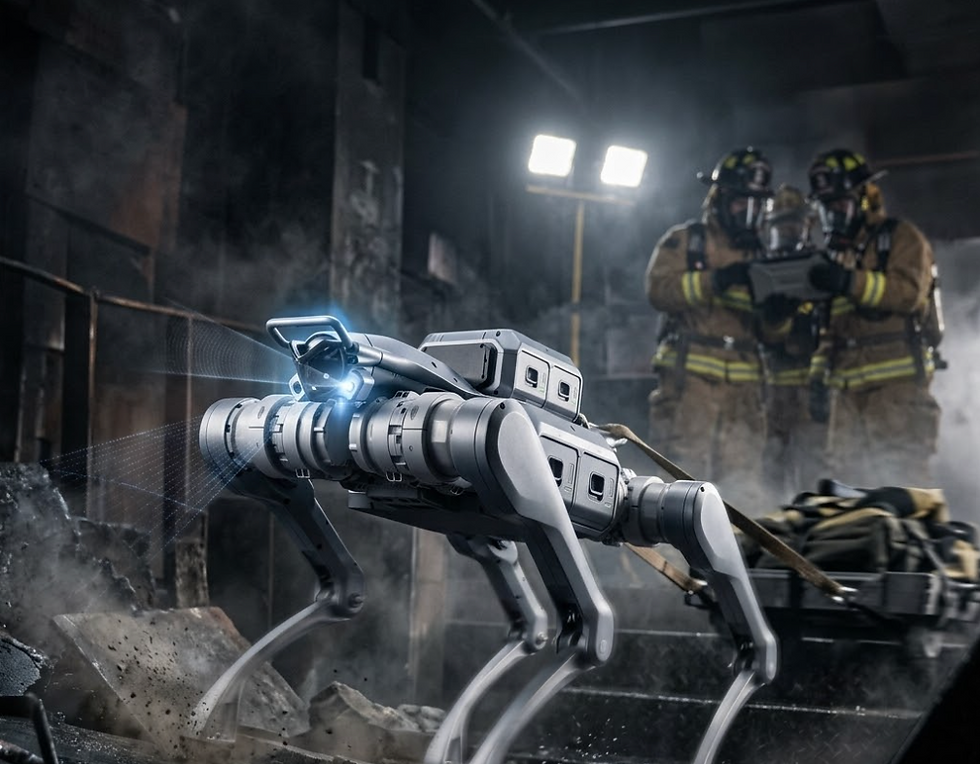
In industrial sectors, robots like the Unitree B2 and B2-W are typically used for tasks that require automation or are hazardous for humans. These robots are exceptionally high-performing and renowned for their seamless operations in inspection operations, production lines, warehouse logistics, and more.
Commercial sectors benefit from robot rental services during product launches, customer engagement campaigns, or surveillance activities. A business can hire robots for events to interact with visitors, showcase technology capabilities, or enhance security through live 4G streaming and AI-powered recognition systems.
Regardless of the industry, decision-makers should consider factors such as expected usage time, space requirements, technical support needs, and integration with existing systems before finalizing a rental.
Final Words
It's no longer a secret how robot rentals are currently offering a practical path to adoption without the high cost of ownership. Toborlife AI's rental services enable businesses, schools, and event organizers to experience the capabilities of Unitree robots with minimal commitment.
By choosing to rent a robot, organizations can adapt more quickly, innovate more effectively, and make data-driven decisions about long-term automation.


Comments